We built it using the D-Limonene of a tangerine and the tartaric acid of a tamarind. The acidity physically cuts the bitterness. And the citrus top-notes distract the olfactory receptors.
Dawn Riviere will be pouring the prototypes at the booth.
She is our Technical Sales Manager for the Western States.
But before that, she spent five years as the Director of Quality & Technical Services right here in Seattle. She understands Hazard Analysis and Critical Control Points (HACCP).
She knows exactly why a prototype could fail once it reaches production.
Stop by Booth #4 to taste the matrix. Bring her your stability issues.
She speaks your language, and so do we.
Nous utilisons des cookies pour vous garantir la meilleure expérience sur notre site web. Si vous continuez à utiliser ce site, nous supposerons que vous en êtes satisfait.


You add the adaptogens for stress support, this is your selling point.
But immediately, you are fighting the matrix.
The bitterness of botanical alkaloids become a persistent formulation challenge.
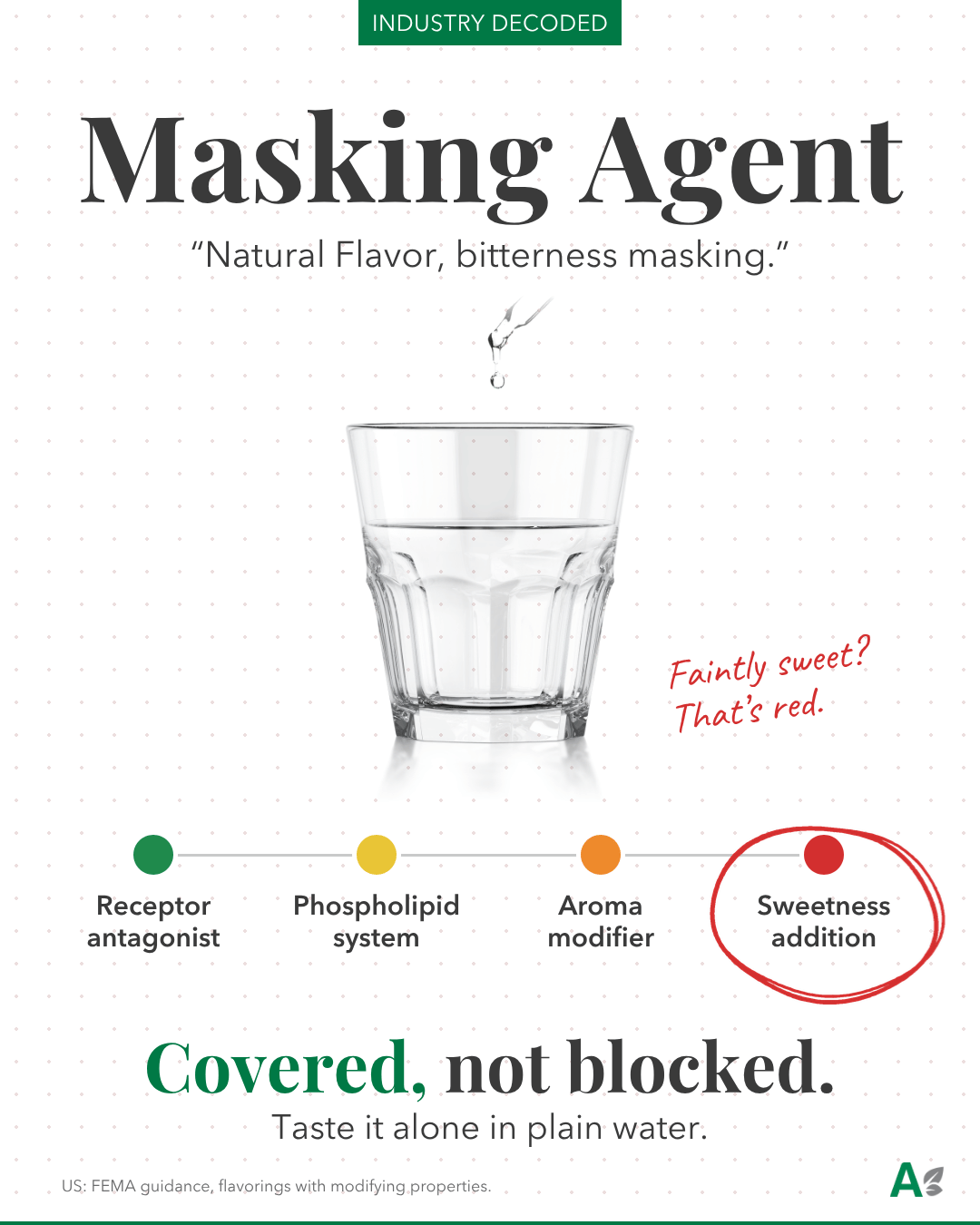
But masking those off-notes by just dumping sugar into the formula defeats the purpose.
So you have to use ✨ flavor chemistry ✨
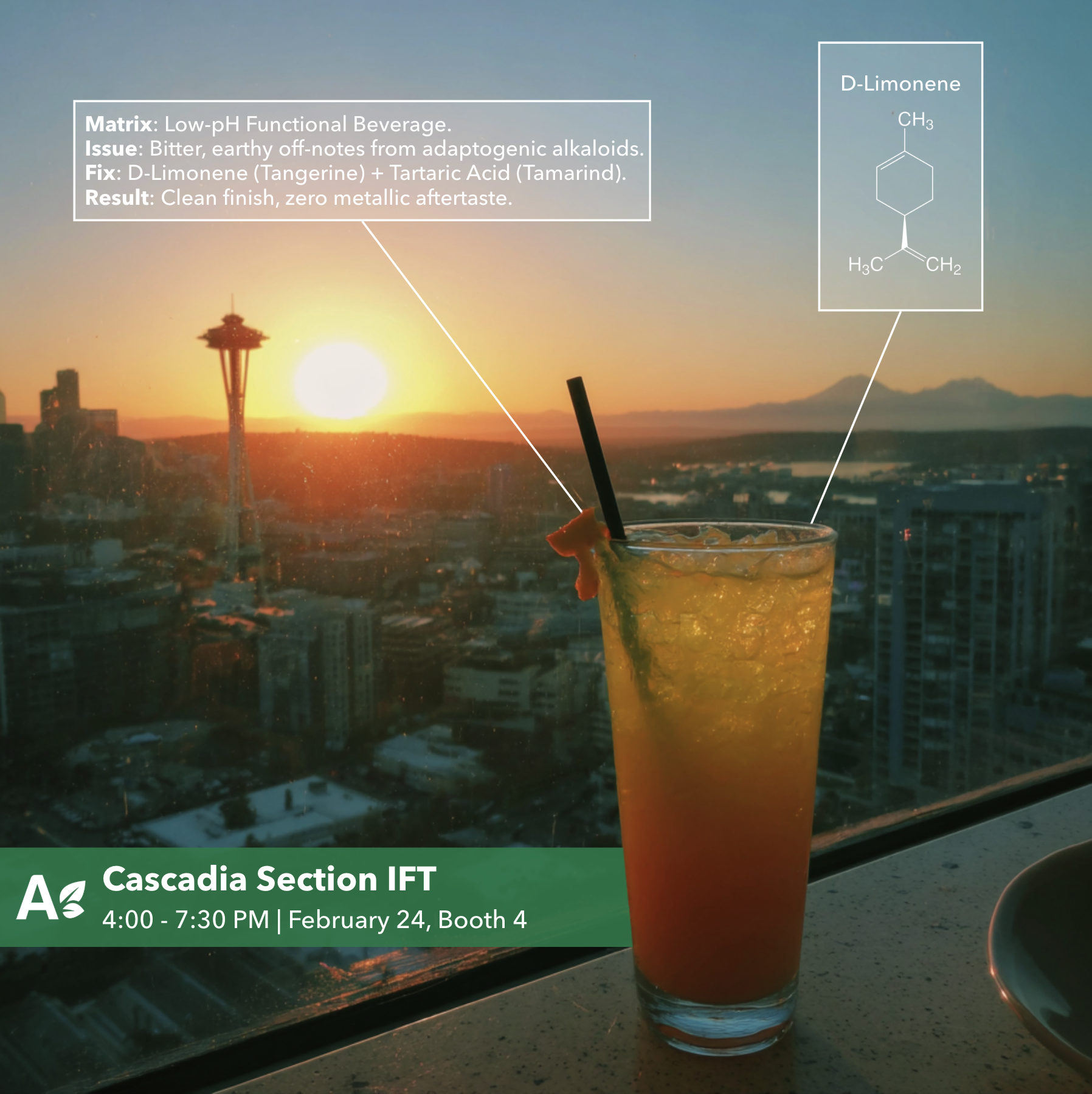
Tomorrow at the Cascadia Institute of Food Technologists (IFT) in Seattle, we are bringing a solution to Booth #4, our solution.
It is our Cognitive Citrus prototype.
We built it using the D-Limonene of a tangerine and the tartaric acid of a tamarind. The acidity physically cuts the bitterness. And the citrus top-notes distract the olfactory receptors.
Dawn Riviere will be pouring the prototypes at the booth.
She is our Technical Sales Manager for the Western States.
But before that, she spent five years as the Director of Quality & Technical Services right here in Seattle. She understands Hazard Analysis and Critical Control Points (HACCP).
She knows exactly why a prototype could fail once it reaches production.
Stop by Booth #4 to taste the matrix. Bring her your stability issues.
She speaks your language, and so do we.