|
|
|
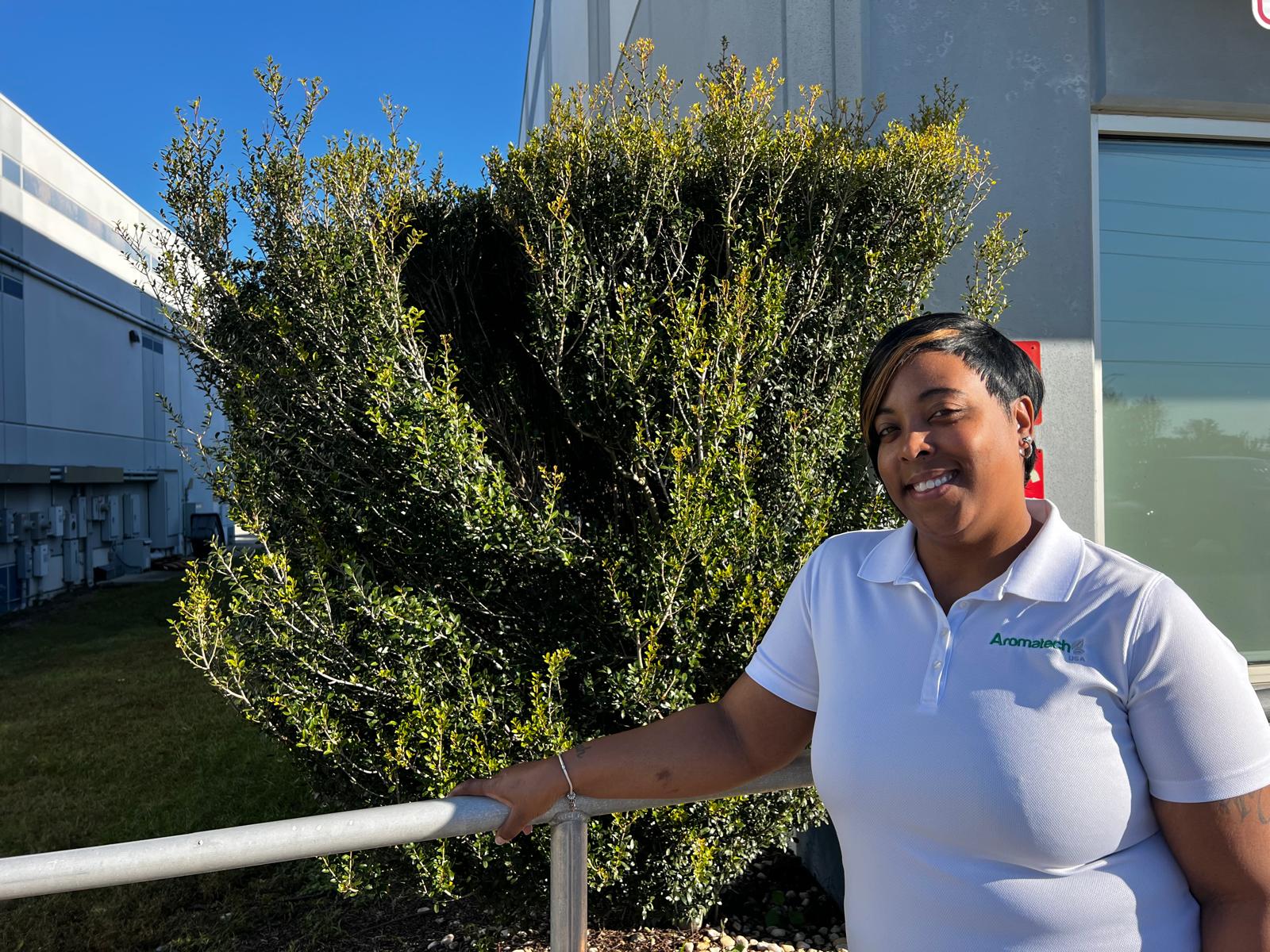
“Tell them what the flavor does. That’s what sells it.”
That was one of the first things Alyssa James said when we asked her how she gets customers excited.
Here’s more of what came straight from her:
“Back in the day, people used to choose flavors solely based on taste.”
“They didn’t care if it was artificial, natural… nothing.
If it tasted the way they wanted, that was all that mattered.”
Now?
“It’s more about experience, functionality, clean label.
They want to know what the flavor is going to do for them.”
A lavender that calms you.
Citrus that energizes.
Nostalgia that sells even if the profile is not perfect.
“If you tell them the backstory, how it’s gonna make them feel… they’re in.”
And trends?
She didn’t hesitate:
“I had two people ask for pandan.
I didn’t even know what it was.
It looks like grass and smells like coconut…
but they want it in cake.”
On working with brands, she was direct:
“If they’re more transparent in the beginning, everything goes better.”
“If they don’t know how they want it to taste or how they want it to perform… we’re guessing. And that’s when the flavor doesn’t hit as intended.”
One word for Aromatech’s sales approach:
“Solution-based. We always try to be a solution, even if it’s not easy.”
It’s honest, funny, and very real.
The full interview right here:
FIELD NOTES WITH Alyssa James, Midwest Customer Insights
Interview Transcript (Edited for Clarity)
1. Can you tell us a bit about your background?
“I’ve been in the flavor industry for eleven years.
I started out in a technical support role, kind of behind the scenes with R&D, so I learned a
lot about how projects work.
I moved into sales around 2019.
I’ve been with Aromatech for almost two years, handling the Midwest region.
This is my first time managing a region, since before that I was doing in-house sales.”
2. What’s the biggest change you’ve noticed in how customers choose flavors today?
“Back in the day, people chose flavors solely based on taste.
They didn’t care if it was artificial, natural, organic… none of that.
If it tasted the way they wanted, that was all that mattered.
Now it seems like it’s more about the experience.
Functionality.
Clean label.
What the flavor can do for you.
Taste is still important, but it’s kind of pushed to the back burner compared to everything
else. That shift even opens the door for artificial flavors again, because sometimes they
taste better than organic or clean-label options. Customers judge flavors differently now.”
3. How do you turn a technical flavor profile into something that excites a customer?
“For me, it’s about giving the flavor value.
If I tell you we have a lavender flavor, that’s nice.
But if I say it can also help you relax, now you’re interested.
Same with citrus. If you tell them it brings energy or focus, that’s what they care about. They
want to know what the flavor is going to do, more than how it tastes.
And then there’s nostalgia. If you bring up nostalgia, it’s over.
People love it.
It makes everything easier.
So if you give them the backstory, what the flavor means, what it reminds them of, how it
can make them feel, they’re way more inclined to say, ‘Okay, yeah, we like that.’”
4. Which food or drink trend do you think will surprise people the most in 2026?
“Pandan.
I had two people recently ask for a pandan flavor.
I didn’t even know what it was at first.
It looks like grass.
But t smells like coconut.
But people want it for sweet applications, cakes, pound cakes, Asian-style bakery items.
That was new for me. I wasn’t expecting pandan to pop up like that.”
5. What’s one thing you wish every brand understood about working with a flavor
house?
“I think the more transparent they are in the beginning, the better everything goes.
If someone says, ‘We want a strawberry,’ but they don’t know how they want it to perform,
how they want it to taste, or where it needs to hold up, it’s really hard for us.
If they understand even a little bit about the science behind the flavor or the profile they
want, the project goes smoother.
Being clear from the start usually leads to a better outcome.”
6. If you had to describe Aromatech’s sales approach in one word, what would it be,
and why?
“I’d say solution-based.
Since I’ve been with Aromatech, we’ve always tried to be a solution for the customer.
Even if something is tough, or even if we can’t do exactly what they ask, we don’t just say
no.
We try to work it out and find a path forward.”
7. Final question, what’s your favorite flavor?
“Watermelon.
Anything watermelon, the actual fruit or the flavor.
That’s my number one.”
Whether it’s finding the function in lavender or the potential in pandan, Alyssa proves that the future of flavor isn’t just about how it tastes, it’s also about how it works.