|
|
|
After water, tea and coffee are among the most widely consumed drinks in the world. But beyond these staples, drinking habits are changing rapidly, driven by a desire for convenience, well-being and new sensory experiences.
Beverage formulators draw heavily on trends observed in cafés and restaurants, adapting them for convenient formats such as bottles, cans or ‘grab-and-go’ options.
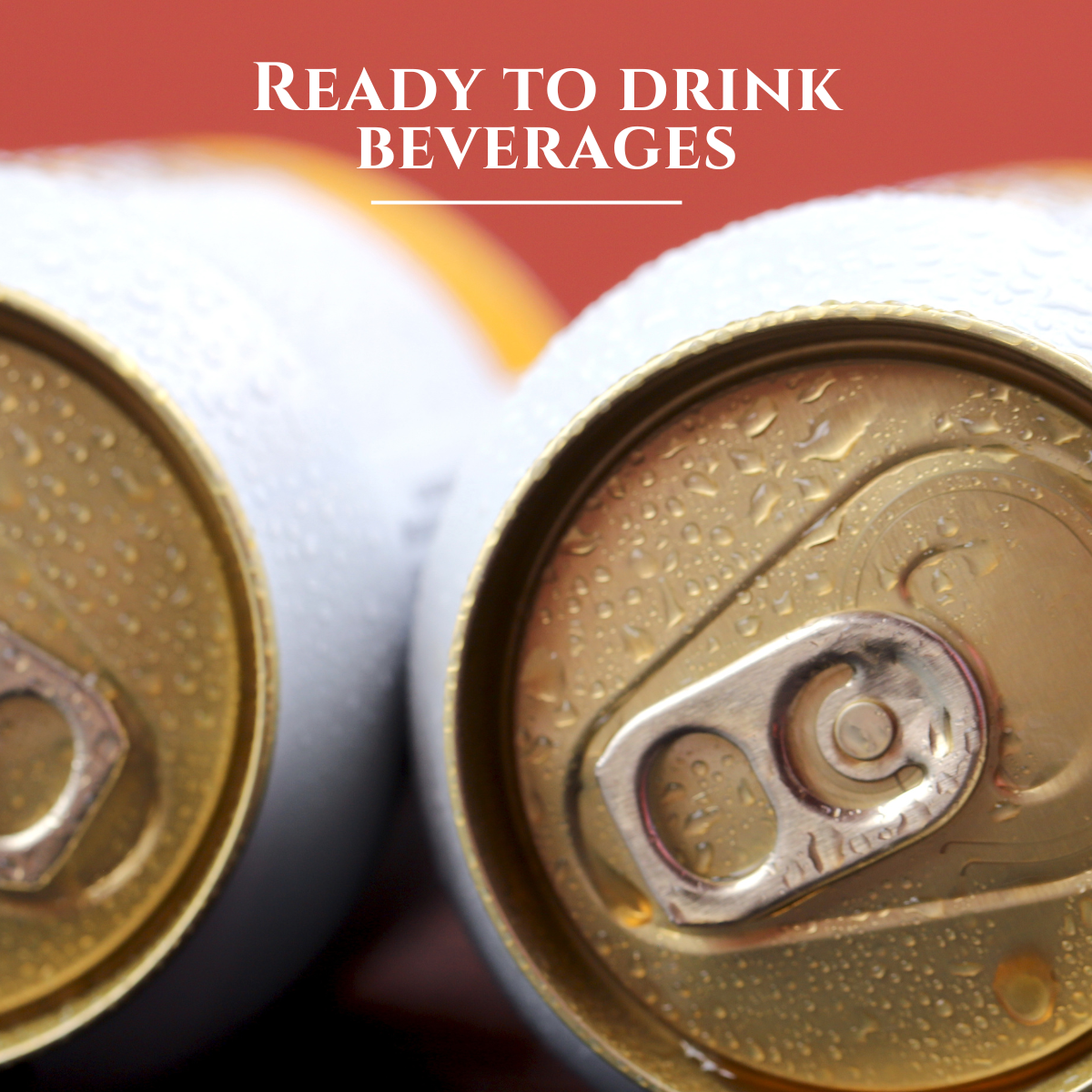
These ready-to-drink (RTD) beverages are experiencing massive growth worldwide. Whether chilled or stable at room temperature, they are mostly consumed cold, a rapidly growing segment.
As one industry expert sums it up:
👉 “If it’s cold, it’s sold.”
This trend reflects a clear shift in consumer habits: cold drinks are no longer just an alternative, but are becoming the norm.
– In many cultures, coffee and tea remain deeply rooted in social rituals:
– British afternoon tea
– Australian speciality coffees such as ‘magic coffee’ in Melbourne
However, these traditions now coexist with a new consumer trend: functionality.
Cold coffee and tea-based drinks no longer seek merely to replicate a social ritual, but to meet specific needs:
– energy and stimulation (caffeine)
– hydration
– on-the-go convenience
A speciality coffee expert sums up this trend by stating that cold drinks represent the future of coffee, driven in particular by the rise of cold brew.
The success of cold brew lies in its ability to preserve the coffee’s aromas. By limiting thermal extraction, this method allows for a better capture of the aromatic compounds, which are essential to sensory perception.
However, in coffee, the taste depends not only on the flavor in the mouth but also on the aroma. This aspect is now central to the development of ready-to-drink (RTD) beverages.
Technological advances (extraction, stabilisation, formulation) thus make it possible to offer drinks that are:
– more stable
– more aromatic
– and better suited to expectations regarding naturalness and reduced sugar content
In this context, flavoring plays a key role: it enhances the profiles of coffee, tea and functional drinks, whilst meeting consumers’ expectations regarding naturalness, reduced sugar content and aromatic intensity.
Source: Brewed Innovation | 2026, innova market insight1