|
|
|
Since the COVID-19 crisis, there has been a profound shift in consumer behaviour. As people take greater control of their own wellbeing, they are adopting a preventive approach to health, in which diet, supplements and functional drinks play a central role.
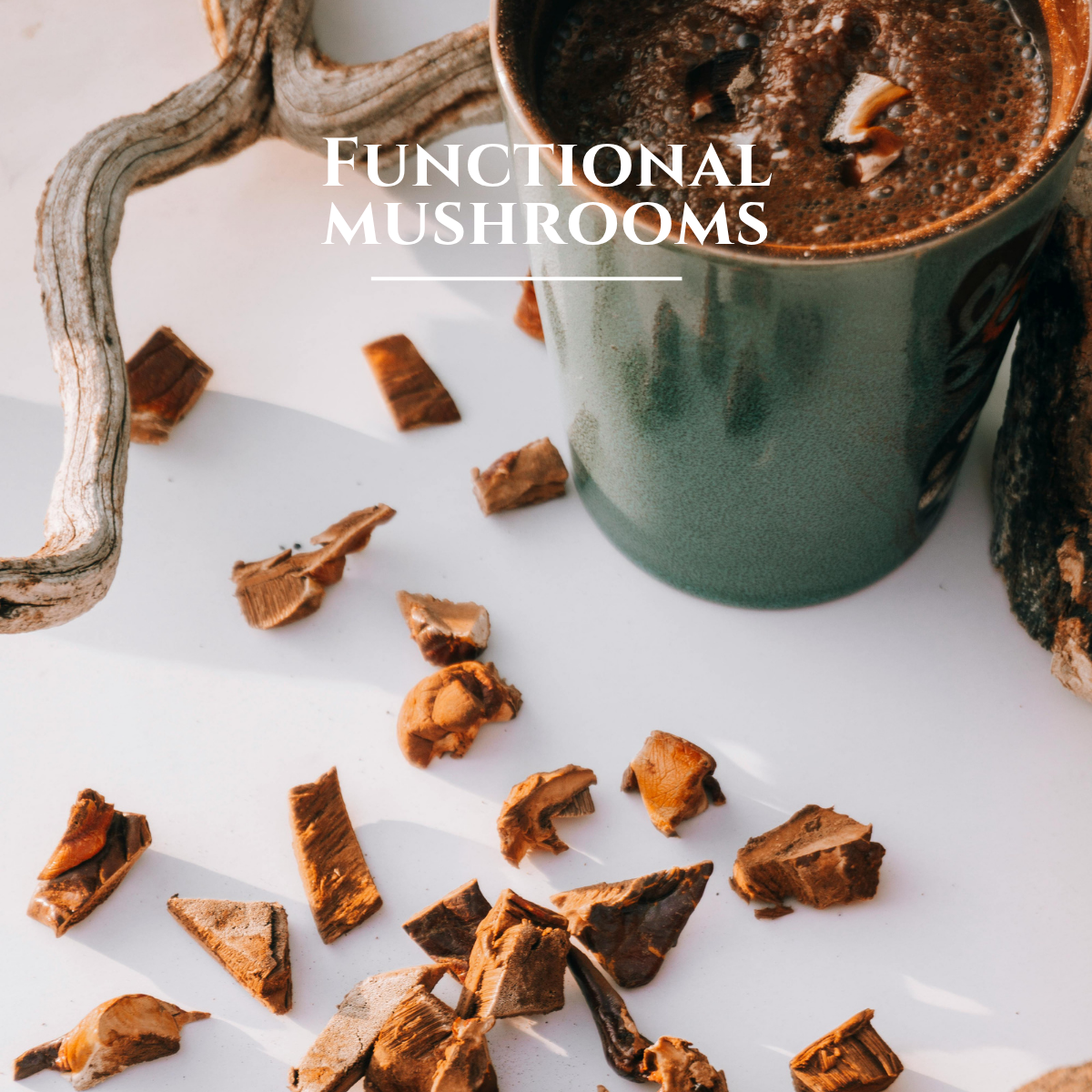
Against this backdrop, functional mushrooms (reishi, lion’s mane, cordyceps, chaga, shiitake and maitake) are experiencing remarkable growth. Long associated with traditional Asian and Ayurvedic medicine, they are now establishing themselves as key ingredients in modern nutrition.
Consumers are no longer simply looking to support their physical health. They are now fully integrating mental well-being into their daily routines.
We are therefore seeing growing uptake of:
– dietary supplements
– functional foods
– fortified drinks
There are many key motivations: energy, immunity, concentration, stress management and cognitive support.
However, a gap remains between consumer interest and actual purchases, particularly regarding benefits such as brain health, healthy ageing and stress reduction. These ‘areas of tension’ now represent genuine opportunities for innovation.
The dietary supplements market is the most dynamic segment for functional mushrooms.
The main varieties used — lion’s mane, reishi, chaga, cordyceps, shiitake and maitake — are seeing rapid growth in new product launches, driven by their natural positioning and perceived benefits.
The associated claims focus mainly on:
– energy and vitality
– immune support
– cognitive performance
There is also a growing trend towards combined formulations, where several mushrooms are combined with one another or with other active ingredients (vitamins, adaptogenic plants, etc.) to offer more comprehensive benefits: concentration, mental clarity and general balance.
Formats are also evolving, with a sharp rise in gummies, which make these ingredients more accessible and appealing to consumers.
Despite their growing popularity, functional mushrooms face a major challenge: their sensory acceptability and perceived credibility.
Their earthy taste or ‘medicinal’ image can hinder their adoption in certain food categories.
This is why formulation strategies often combine:
– several functional actives
– flavourings to enhance the taste experience
– more indulgent food matrices (chocolate, bars, flavoured drinks)
The aim is clear: to transform a health ingredient into a truly enjoyable experience.
In this context, the role of flavouring is essential.
At Aromatech, we play a central role in this transformation by helping manufacturers to:
– balance the sometimes complex notes of functional ingredients
– enhance the natural and pleasant perception of products
– create flavor profiles tailored to new health expectations
The stakes are high: reconciling functional efficacy with sensory pleasure, so that these innovations are truly embraced by consumers.
Source : Exploring Functional Mushroom Growth | 2026, Innova market insights